General Dentistry · Periodontal Health
Gingivitis is reversible. Periodontitis is manageable. The only gum disease that can't be treated is the kind that goes unnoticed for years.
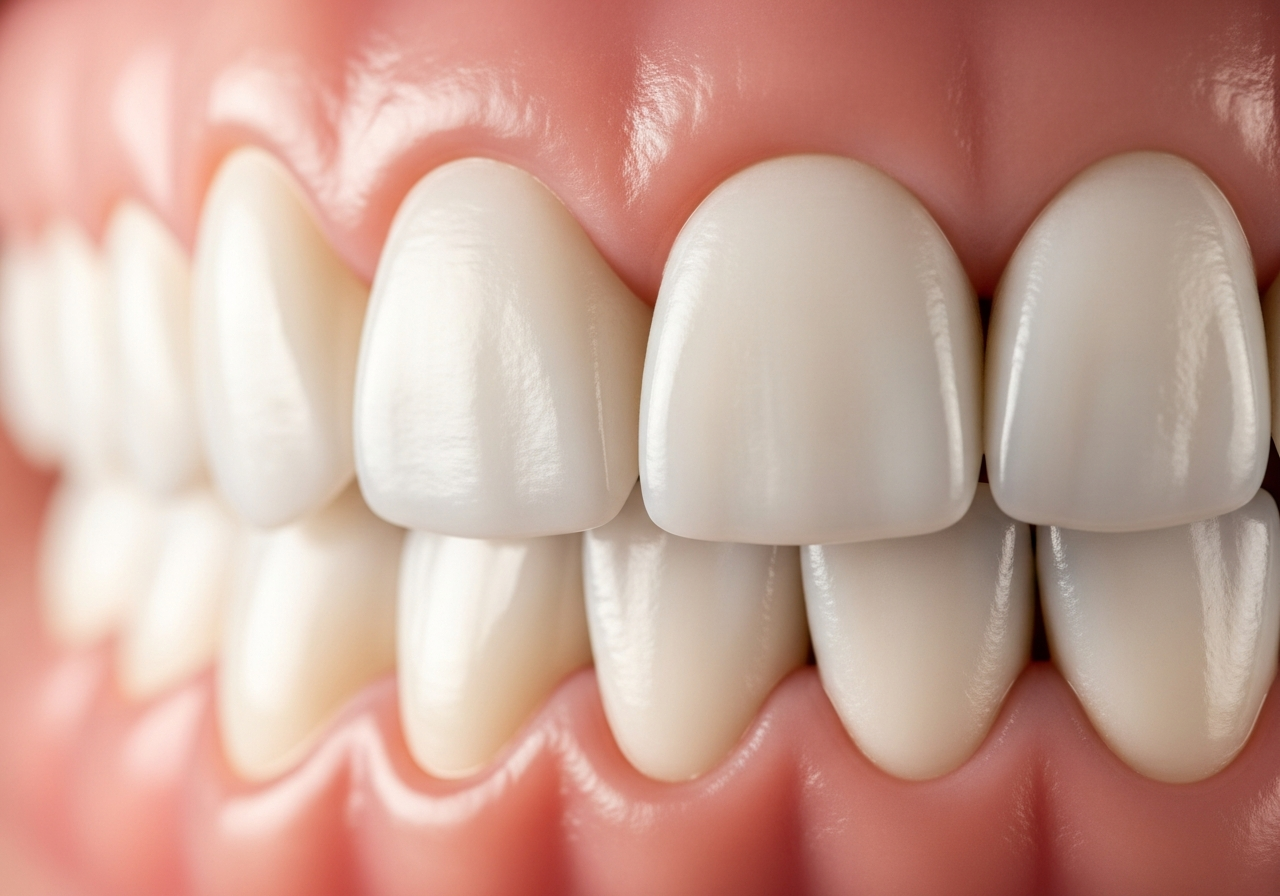
What you're dealing with
The CDC estimates 47% of American adults over 30 have some form of periodontal disease. Because it rarely causes significant pain in early stages, many people live with active infection for years without knowing.
The bacteria responsible for gum disease don't just damage your mouth. Research continues to link chronic periodontal infection to heart disease, diabetes complications, and systemic inflammation, making early treatment a whole-body investment.
Understanding progression
A professional cleaning plus improved home care is often all that's needed at this stage.
Scaling and root planing (deep cleaning) removes bacteria below the gumline; re-evaluation in 6–8 weeks.
Deep cleaning plus possible antibiotic therapy or referral to a periodontist for surgical evaluation.
Who's at risk
Tobacco use (smoking or smokeless)
Poorly controlled diabetes
Hormonal changes (pregnancy, menopause)
Medications that cause dry mouth
Genetics, family history of gum disease
Stress and immune suppression
Irregular or no professional cleanings
Beyond your mouth
Oral bacteria can enter the bloodstream and contribute to arterial inflammation.
Gum disease makes blood sugar harder to control, a two-way relationship.
Periodontal bacteria have been linked to preterm labor and low birth weight.
Inhaled oral pathogens can colonize the lungs in susceptible individuals.
Emerging research links P. gingivalis, a key periodontal pathogen, to brain plaques.
Our approach
We measure pocket depths, check for bone loss on X-rays, and chart recession and bleeding points to stage your disease accurately.
Using ultrasonic instruments and hand scalers, we remove tartar, plaque, and bacterial toxins from root surfaces below the gumline, with local anesthesia for your comfort.
We remeasure your pockets after tissue has had time to heal. Many patients show significant improvement; others may need additional treatment.
Once stable, you'll transition to a 3–4 month cleaning cycle to keep bacteria levels below the threshold that triggers relapse.
Common questions
Scaling and root planing is performed under local anesthesia, so the procedure itself is comfortable. Some tenderness in the days following is normal and manageable with over-the-counter pain relievers.
Most patients complete scaling and root planing in two appointments, treating one side of the mouth at a time. Each visit typically runs 60–90 minutes.
Lost gum tissue does not fully regenerate on its own, but with proper treatment and maintenance, we can stop further recession and stabilize the attachment that remains.
Periodontal maintenance visits every 3–4 months are the standard of care for patients who have had active gum disease. This interval keeps bacterial levels below the damage threshold.
Yes, genetics plays a significant role. Some patients are genetically predisposed to a more aggressive inflammatory response. Regular monitoring is the best defense.
Service area
Take action today
Call our office on Turkey Lake Road, we'll evaluate your gum health and have a clear treatment plan ready at your first visit.